What causes poor alignment in golf shots often begins before the club moves. A golfer may aim the clubface right of the target, then set their feet parallel to that mistaken line. From behind the ball, the setup can look convincing. At address, however, the shoulders, hips, and feet may point in different directions. A small mismatch is easy to miss.
Target selection also matters. Golfers often aim at a distant flag but overlook a nearer reference, such as a bunker edge or tree trunk. Ball position can change the picture, too: a ball too far forward may encourage an open stance, while a rushed setup can leave the face misaligned. Wind, uneven ground, and visual perspective add more variables. Small details. Big consequences.
This guide explores practical causes and checks, including stance, clubface direction, posture, and pre-shot routines. A simple test is to place an alignment stick along the toes and another toward the target, then compare them from behind the ball. Use care: alignment sticks reveal setup lines, but they do not explain every poor shot. A qualified golf coach can observe patterns that are difficult to spot alone. Even then, diagnosis is not always neat. A pulled shot may involve swing path as well as aim, and golfers sometimes blame alignment too quickly. Better observation—not guesswork—offers a more reliable starting point.
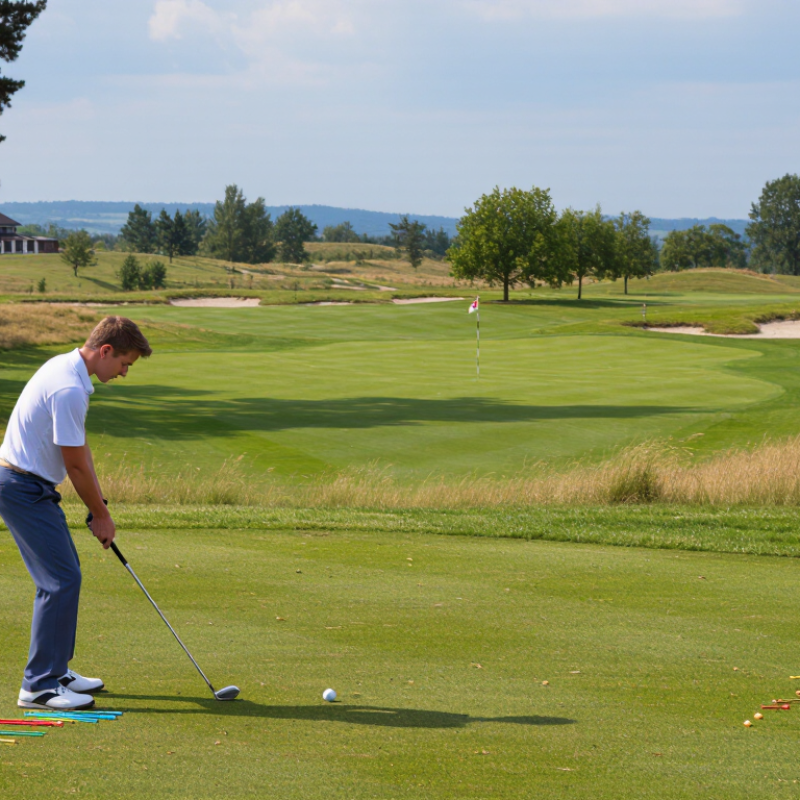
What Causes Poor Alignment in Golf Shots in 2026?
What Proper Golf Shot Alignment Involves
Good alignment means aiming the clubface at the intended target, then setting your body parallel to that line. For a right-handed golfer, the feet, hips, and shoulders usually point slightly left of the target. Left-handed golfers reverse this relationship. Aiming your body directly at the target can send shots off line, even when your swing feels smooth.
Build your setup from the clubface outward. Stand behind the ball and choose a small spot, such as a blade of grass, on the target line. Set the face toward that spot, then place your feet and shoulders. Keep the ball position consistent; a ball too far forward can make alignment feel strange. Check your setup from behind, not just from above. Our eyes can mislead us. I still find that a comfortable stance is not always a well-aimed one.
Tips: Lay a club on the ground parallel to your foot line during practice. Pick an intermediate spot close to the ball, and aim the clubface there. Recheck after moving your feet. Small adjustments matter. Don’t blame every wayward shot on alignment; clubface control, swing path, and wind also affect direction.
| Alignment Factor | What Proper Alignment Involves | Common Cause of Poor Alignment | Typical Effect | Practical Check |
|---|---|---|---|---|
| Clubface direction | The face is aimed at the intended starting point before the stance is set. | Aiming the body first, then adjusting the clubface to match a misaligned stance. | The ball may start left or right of the intended line, even with a reasonably centered strike. | Stand behind the ball and pick a small target on the intended line; check the face against it first. |
| Feet, hips, and shoulders | These body lines are generally parallel to the target line. For a right-handed golfer, they commonly point slightly left of the target; for a left-handed golfer, the relationship is mirrored. | Turning the shoulders toward the target while the feet point elsewhere, or setting the stance too open or closed. | The golfer may compensate during the swing, producing inconsistent start direction or curvature. | Use an alignment stick or club on the ground, parallel to the target line, to check the feet and body lines. |
| Target selection | A specific target and intermediate reference point are chosen before addressing the ball. | Trying to aim directly at a distant target without a clear reference, or changing the target during setup. | Small aiming errors become harder to notice and can lead to shots that consistently miss on one side. | Choose a nearby spot on the ground along the intended starting line and use it to set the clubface. |
| Ball position | The ball is positioned appropriately for the club and shot; it is typically farther forward in the stance with a driver than with a short iron. | Using the same ball position for every club or allowing the ball to drift during setup. | The player may make compensating movements that alter the apparent aim and face-to-target relationship. | Check ball position in practice with a consistent setup routine, adjusting it for club length and shot type. |
| Posture and eye position | A balanced posture makes it easier to see the target line and set the body consistently around the ball. | Standing too upright, leaning excessively, or changing head and eye position from shot to shot. | The target line can look different from the address position, encouraging last-second stance adjustments. | Use the same posture routine for each shot and check alignment from behind the ball before stepping in. |
| Uneven ground and slopes | The golfer recognizes the slope and chooses a safe, realistic starting line while maintaining balance. | Applying a level-ground aiming routine without accounting for a sidehill lie or sloping stance. | The setup may feel balanced but point away from the intended line; the slope can also influence ball flight. | Assess the lie and stance before aiming, then make a controlled adjustment rather than forcing a level-ground setup. |
| Setup routine | A repeatable sequence sets the target, clubface, stance, and posture in the same order. | Rushing, changing the sequence, or repeatedly stepping into the ball from different angles. | Alignment varies from shot to shot, making it difficult to identify whether a miss comes from aim or swing. | Follow a consistent pre-shot routine and periodically verify it with a ground reference during practice. |
Note: Alignment describes the relationship between the clubface, target line, and body lines at address. The appropriate setup can vary with handedness, club, lie, and intended shot shape.
Your feet may point at the target while the clubface points right. That mismatch can lead to a compensating swing path. Small error. It adds up.
The clubface often contributes roughly 75–85% of the initial direction, depending on the club. These figures are estimates, not guarantees.
Pick a specific landing point, such as the left edge of a fairway. Then find a small mark a few feet ahead, like a leaf or patch of pale grass.
From behind the ball, aim the clubface at your small mark first. Then arrange your feet and shoulders around the face. It may feel odd.
Yes. A bunker edge or tree can seem easier to aim at than a distant flag. Check whether that nearby object actually lies on your chosen line.
Perspective changes beside the ball. Your target may appear left or right of where it looked from behind. Avoid repeatedly twisting your head to correct it.
Place one alignment stick on the target line and another across your toes. Check the clubface before each shot. Keep the setup simple.
Check the clubface and body alignment before changing your swing. A few swings filmed from behind may help, but use the same camera position. I still overcorrect sometimes.
What causes poor alignment in golf shots often comes down to several small errors working together. A player may set the feet toward the target while pointing the clubface elsewhere, or mistake the apparent direction of the target because of perspective and visual cues. Choosing a clear, specific target and checking the clubface before settling into the stance can help prevent these mismatches.
Conditions and habits also matter. Uneven ground, slopes, wind, or other course features can make a player adjust aim without noticing how the change affects alignment. Equipment setup and repeated practice routines may reinforce the same errors over time. By checking stance and clubface position, practicing with consistent visual references, and adapting carefully to the lie, golfers can identify and correct alignment problems more reliably.

 Lulit Golf