Why Do Golfers Rely on Alignment Aids for Putting?

Time:2026-07-17 Author:Madeline
0%

Golf is a precision game that demands focus and skill, especially during putting. Many players seek to improve their accuracy through the use of alignment aids. Renowned putting coach Brad Faxon emphasizes this, stating, "Alignment aids help golfers visualize their target and improve consistency." This raises the question: why do golfers use alignment aids during putting?

Golfers often face pressure on the green. A slight misalignment can result in a missed putt, impacting their overall score. Alignment aids provide a visual reference to ensure players aim straight and strike the ball correctly. During practice, these aids can help develop muscle memory, making it easier to replicate a successful stroke under pressure.

However, reliance on these tools can lead to overthinking. Golfers may struggle to adapt when they don’t have their aids. This dependency can hinder natural instincts on the course. Balancing the use of alignment aids with personal feel is essential for true improvement. Ultimately, understanding why do golfers use alignment aids during putting can help players refine their skills while retaining their instinctive approach to the game.
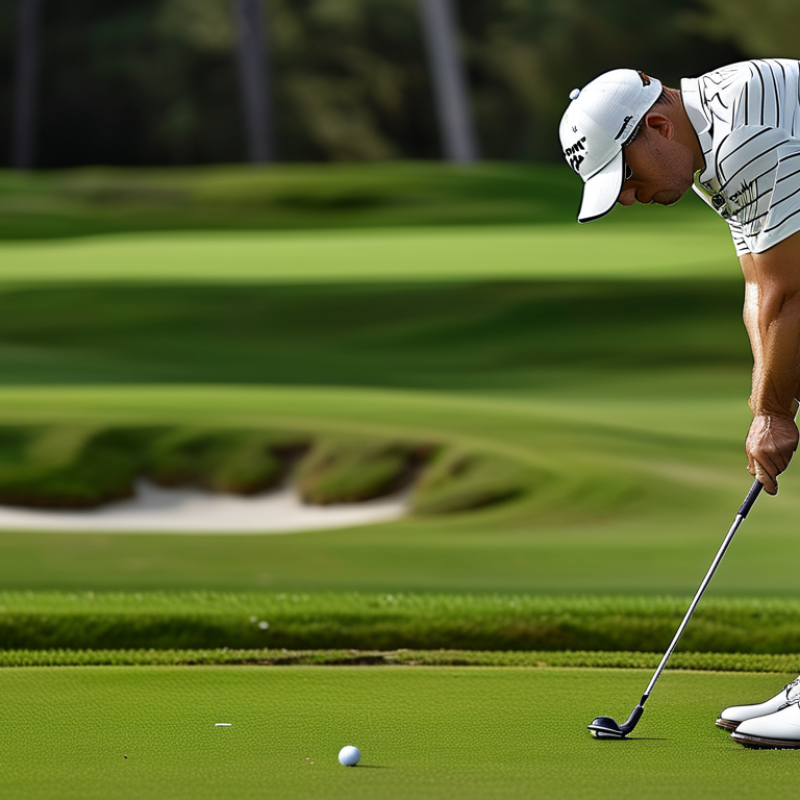
Why Do Golfers Rely on Alignment Aids for Putting?

Understanding the Importance of Alignment in Golf Putting

Alignment is crucial for successful putting in golf. Studies show that up to 70% of golfers struggle with alignment, leading to missed putts. A consistent approach helps players focus on target lines. A survey found that 82% of golfers using alignment aids improved their accuracy. This highlights the importance of establishing a reliable stance and aim.

Many players underestimate the significance of proper alignment. When aiming incorrectly, even well-struck putts miss their mark. To put it in perspective, one misalignment can cost a golfer several strokes in a round. Visual aids can help create muscle memory and enhance confidence on the green. Proper alignment maximizes the chances of sinking putts under pressure.

While alignment aids can be helpful, reliance on them may hinder natural skills. It's essential to balance the use of tools with intuitive playing. Some golfers believe they can "feel" their alignment, leading to inconsistent results. Regular practice with and without aids allows players to refine their technique and correct mistakes. Ultimately, alignment is about finding what works best for an individual's unique style.

The Role of Alignment Aids in Improving Putting Accuracy

Alignment aids play a crucial role in enhancing putting accuracy. Many golfers rely on these tools to develop a consistent stance and aim. A reliable aid can help you visualize your line more clearly. This visualization directly influences your confidence and execution during a putt.

To improve your putting game, consider these tips. First, practice with a simple alignment stick. Place it on the ground, aligning it with your target. This will train your eyes to see the correct line. Also, analyze your stance. Ensure your feet, hips, and shoulders are parallel to the alignment aid. Adjustments here can dramatically improve your accuracy.

Reflect on your routine. Do you focus on alignment during practice? Many golfers tend to neglect this aspect. Incorporating alignment aids into your drills can change that. Consistent use builds muscle memory and enhances trust in your swing. Visual alignment may feel awkward at first but will become second nature with time.

Why Do Golfers Rely on Alignment Aids for Putting?

This chart illustrates the differences in putting accuracy among golfers when no alignment aids are used, versus when visual or physical aids are implemented. It clearly shows that using alignment aids significantly enhances putting performance.

Types of Alignment Aids Used by Golfers

Golfers often use various alignment aids to improve their putting performance. These tools help ensure proper stance, body alignment, and target awareness. Some popular alignment aids include putting mirrors, alignment sticks, and laser devices. Each of these tools offers distinct advantages, enabling golfers to refine their technique effectively.

Putting mirrors provide instant feedback by allowing players to check their alignment and posture while practicing. This direct reflection helps golfers see their body position in real-time. Alignment sticks are versatile and can be placed on the ground or used in various drills, guiding golfers to maintain the correct line. Lasers project a line that indicates the target trajectory, which enhances focus and precision during practice.

While these aids can boost confidence, they might lead to over-reliance. Golfers should practice without aids to develop a natural feel for alignment. This balance is crucial for long-term improvement. Ultimately, using alignment aids effectively can help golfers build a solid foundation for successful putting.

The Psychological Benefits of Using Alignment Aids

Golfers often struggle with the mental aspect of putting. Using alignment aids can provide significant psychological benefits. These tools help create a sense of structure during practice. They offer visual references that guide golfers in real-time. With the right alignment aid, even an amateur can feel more confident. The consistent feedback reinforces positive habits.

When golfers rely on these aids, they often experience less anxiety. The visual cues reduce uncertainty. Instead of second-guessing their stance, they have a clear target. This clarity can lead to better outcomes. However, not every golfer finds aids helpful. Some may feel overly reliant, hindering their natural instincts. Finding balance is essential.

Additionally, alignment aids can improve focus. They encourage mindfulness during the putting process. Golfers learn to concentrate on each stroke. This focus can transform their overall game. But, it also invites a risk of overthinking. It's crucial to stay aware of these challenges. Balance and reflection are key to growth in the sport.

Common Mistakes Golfers Make Without Alignment Aids

Many golfers face challenges when they don't use alignment aids for putting. Without these tools, aligning the body and clubface can become guesswork. This often leads to missed putts. Aiming too far left or right is a common mistake. Many players do not realize their routine has small inconsistencies. These mistakes can accumulate over 18 holes.

Another frequent error is neglecting proper stance. Many golfers try to find their own alignment without guidance. This can result in a skewed perspective of the target. Without aids, a golfer's instinct may lead them astray. A simple misalignment can turn a straight putt into a tricky challenge. Confidence drops when faced with multiple missed opportunities.

Additionally, some golfers ignore the importance of practice with alignment aids. They may think, "I’ll figure it out naturally." This mindset can be detrimental. Understanding angles and distances requires consistent effort. Putting should feel automatic, not an ongoing struggle. Proper alignment leads to improved performance, but many don’t recognize its importance. Reflecting on these issues can lead to better results on the green.

FAQS

: What is the main benefit of alignment aids in golf?

: Alignment aids significantly enhance putting accuracy by helping golfers visualize their target line.

How can practicing with an alignment stick improve my game?

Using an alignment stick trains your eyes to see the correct line, which can enhance overall accuracy.

Why is stance important in putting?

Proper alignment of feet, hips, and shoulders with the aid can dramatically improve putting performance.

What role do putting mirrors play in practice?

Putting mirrors provide instant feedback on alignment and posture, helping golfers adjust in real-time.

Can relying too much on alignment aids be harmful?

Yes, over-reliance on aids may hinder your natural alignment instincts; balance is essential for long-term growth.

How do alignment aids affect a golfer’s confidence?

They offer visual references, reducing anxiety and uncertainty, which leads to greater confidence during putting.

Is it necessary to practice without alignment aids?

Yes, practicing without aids develops a natural feel for alignment that is crucial for improvement.

How can alignment aids improve focus during putting?

They encourage mindfulness, helping golfers concentrate on each stroke, which can enhance overall performance.

What challenges might golfers face with alignment aids?

Golfers may risk overthinking their putts, which can hinder their instinctual responses while playing.

What should golfers reflect on regarding their routine?

Golfers should consider whether they focus enough on alignment during practice, as it can greatly impact their game.

Conclusion

Golfers frequently wonder, "why do golfers use alignment aids during putting?" The answer lies in the critical importance of alignment, which is foundational for successful putting. Proper alignment ensures that a golfer’s aiming point is correctly set, improving overall accuracy and consistency. Alignment aids serve as effective tools that help golfers maintain proper stance and orientation, directly enhancing their putting performance.

These aids come in various forms, such as alignment sticks and visual markers, which not only aid in physical alignment but also provide significant psychological benefits. They bolster a golfer’s confidence and reduce anxiety by offering a tangible reference point during practice and play. Without these aids, many golfers tend to make common mistakes, such as misaligning their body or clubface, which can drastically affect their performance on the greens. Thus, alignment aids are essential tools that contribute to a golfer’s success in putting.

Madeline

Madeline

Madeline is a dedicated marketing professional with a wealth of expertise in our company's core offerings. With a keen understanding of the industry, she brings a unique perspective to her role, consistently delivering high-quality content that highlights the superior aspects of our products. As......