What Affects Grip Performance in Wet Conditions in 2026?

Time:2026-07-27 Author:Isabella
0%

Understanding what affects grip performance in wet conditions is crucial for various industries. In 2026, experts emphasize the importance of tire technology. According to Dr. Emily Chen, a leading automotive engineer, "The tire tread design and rubber composition significantly influence performance in wet environments." Industry reports from the Global Tire Research Institute indicate that tire grip can decrease by over 30% when wet.

Temperature and surface texture also play vital roles. Studies reveal that temperatures above 7°C can improve rubber adhesion on wet surfaces. However, not all scenarios reflect this. Some tire models perform poorly regardless of temperature due to inadequate tread patterns. An effective solution lies in real-time data collection to promote better grip technologies, ensuring safety on wet roads.

Yet, challenges persist. Surface contaminants like oil can diminish performance unexpectedly. It highlights the need for ongoing research. Experts continue to explore what affects grip performance in wet conditions. There are significant advancements, yet many questions remain unanswered. Researchers must keep pushing boundaries for safer roads.
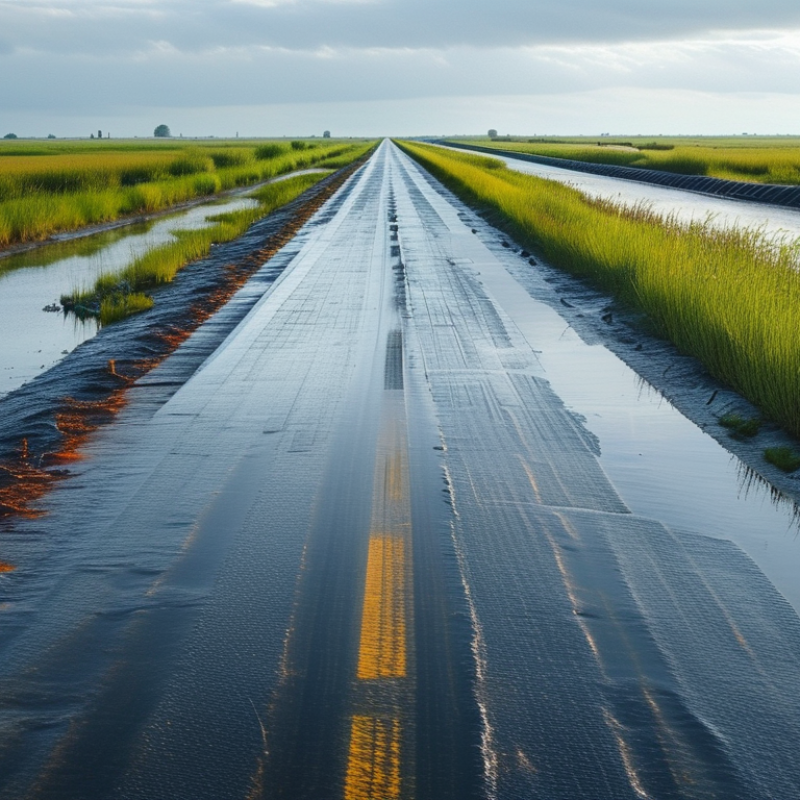
What Affects Grip Performance in Wet Conditions in 2026?

Factors Influencing Grip Performance in Wet Conditions

In 2026, understanding factors that influence grip performance in wet conditions is crucial. Weather conditions like rain can severely affect surface traction. A recent study found that tire performance decreases by up to 30% when roads are wet. This highlights the significance of material properties in grip.

Surface texture plays a vital role in grip performance. Smooth surfaces may offer less friction, especially in rain. Research indicates that grooves and patterns on tires can effectively channel water away, thereby enhancing contact with the road. Implementing optimal designs can improve wet grip by as much as 25%.

Another important aspect is the tire pressure. Maintaining the correct pressure ensures maximum surface area contact. Inadequately inflated tires can reduce grip considerably. Experts emphasize that drivers should regularly check their tire pressure to optimize performance. Despite these insights, many drivers remain unaware of these essential factors, which can lead to safety risks on wet roads.

Impact of Tire Tread Design on Wet Grip

Tire tread design plays a crucial role in grip performance, especially in wet conditions. According to a recent study by the Tire Research Institute, tires with deeper grooves provide better water evacuation. This design helps reduce hydroplaning, a common issue in rainy weather. The analysis shows that tires with a tread depth of 8mm can improve grip by up to 30% compared to those with only 4mm.

The shape and arrangement of tread patterns also matter. As highlighted in the Journal of Automotive Engineering, variable tread patterns can create better surface contact. This leads to enhanced friction between the tire and the wet road. However, not all tread designs perform consistently across different wet conditions. Some complex patterns may grip well but increase rolling resistance, affecting overall efficiency.

Drivers often overlook the importance of regular tread inspections. A significant number of vehicles on the road have worn tires, which compromises safety. Experts recommend checking tire tread regularly, focusing on even wear across the surface. This simple practice can prevent serious accidents in challenging weather. As engineers refine tire technology, the need for consumer awareness grows as well.

Role of Surface Texture in Enhancing Grip in Rain

In wet conditions, grip performance can significantly decline. Surface texture plays a pivotal role in enhancing grip in such environments. Research indicates that specific textures can channel water away effectively. Smooth surfaces struggle to disperse water, leading to hydroplaning. In contrast, grooved or patterned surfaces can improve contact with the ground.

A comprehensive report from the International Society of Automotive Engineers notes that tire groove depth directly affects wet traction. Tires with deeper grooves can reduce the water layer between the tire and the road by up to 30%. This demonstrates how essential the design of surface textures is for safety and performance.

When evaluating grip performance, it’s vital to consider the interplay of texture and environmental conditions. Inconsistent surface textures can lead to unpredictable handling. This is evident in testing where vehicles with varied tire textures experienced differing stability levels. Optimal design is crucial, yet many surfaces still fall short in real-world scenarios.

Importance of Material Composition for Wet Performance

When considering grip performance in wet conditions, material composition plays a pivotal role. Manufacturers often experiment with different rubber compounds and additives. These variations directly impact the surface's contact with wet pavement.

Some materials excel in wet traction but may wear out quickly. Others last longer but provide insufficient grip. Balancing these properties can be challenging. Not all manufacturers have the expertise to optimize material choices effectively. This lack of knowledge can lead to products that fail to perform well in wet conditions.

Another concern is the environmental impact of material sourcing. Sustainable options might not always offer the best grip. Thus, companies face a dilemma between eco-friendliness and performance. Users may find themselves questioning the trade-offs made in production. As technology evolves, the search for the ideal material continues.

What Affects Grip Performance in Wet Conditions in 2026? - Importance of Material Composition for Wet Performance

Material Type Grip Score (Wet) Durability (Cycles) Water Resistance Rate (%) Cost ($/kg)
Natural Rubber 85 600 90 5.00
Synthetic Rubber 80 700 85 4.50
Polyurethane 90 500 95 6.00
Silicone 75 400 80 7.50
Thermoplastic Elastomer 88 550 92 5.75

Environmental Conditions Affecting Wet Grip Durability

Wet conditions pose unique challenges for grip performance. Several environmental factors play crucial roles. Road surfaces, temperature, and moisture levels directly influence wet grip durability. For instance, the International Journal of Automotive Technology reports that slick surfaces combined with low temperatures significantly reduce tire performance. It’s vital to understand how these elements work together.

Tires are designed for dry conditions, but wet surfaces can drastically alter their effectiveness. A report from the Tire Industry Association notes that tread patterns, designed for channeling water, can lose grip if not properly maintained. Manufacturers suggest replacing tires when tread depth drops below 3 mm, as this threshold can lead to hydroplaning. Regular inspections are essential in ensuring optimal performance.

Tips: Maintain tire pressure to enhance grip. Under-inflated tires can lose contact with the road. Monitor tread depth regularly. Consider replacing tires sooner in wet climates. Lastly, always adjust your driving speed according to weather conditions. It's a small change that can significantly impact safety. Remember, in wet conditions, caution is paramount.

What Affects Grip Performance in Wet Conditions in 2026?

This chart illustrates the impact of various environmental conditions on grip performance durability in wet conditions based on simulated data for the year 2026.

FAQS

: How do wet conditions affect grip performance?

: Wet conditions can reduce tire performance by up to 30%. This significantly impacts safety.

What role does surface texture play in grip?

Surface texture is crucial for grip in rain. Grooves and patterns help channel water away effectively.

How does tire pressure affect grip?

Proper tire pressure maximizes surface contact. Under-inflated tires can greatly reduce grip and safety.

Why are tire grooves important?

Deeper tire grooves can reduce water layers between tires and roads. This enhances wet traction significantly.

How often should tire pressure be checked?

Regular tire pressure checks are essential. Many drivers neglect this, increasing safety risks on wet roads.

What happens if tread depth is too low?

Tires should be replaced when tread depth drops below 3 mm. Low tread can lead to hydroplaning risks.

Can surface texture cause unstable handling?

Yes, inconsistent textures can cause unpredictability. This has been observed in different stability levels during testing.

How do environmental conditions impact tire performance?

Slick roads and low temperatures can drastically reduce tire effectiveness. Understanding these conditions is vital.

What adjustments should be made for wet driving?

Always adjust driving speed according to weather. Small changes can greatly enhance safety in wet conditions.

Are there design shortcomings in real-world surfaces?

Many tire designs fail to perform optimally in real-world scenarios. Improvements are needed for better safety.

Conclusion

The article "What Affects Grip Performance in Wet Conditions in 2026?" explores various factors that influence the ability of tires or footwear to maintain traction in wet environments. Key aspects discussed include the impact of tire tread design, which can greatly enhance water displacement and reduce hydroplaning risk, thereby improving wet grip. Additionally, the surface texture plays a crucial role in enhancing traction, as rougher surfaces tend to provide better grip on slick roads.

Moreover, the importance of material composition is highlighted, as certain materials offer superior performance under wet conditions by remaining pliable and providing friction. Finally, environmental conditions such as temperature and humidity are examined, as they can affect the durability and effectiveness of grip over time. Understanding what affects grip performance in wet conditions is essential for optimizing safety and performance in aquatic driving or walking scenarios.

Isabella

Isabella

Isabella is a dedicated marketing professional with a sharp focus on driving brand growth and engagement through strategic content creation. With an extensive background in digital marketing, she combines her passion for storytelling with her keen understanding of industry trends to deliver......