Explore our highly engineered selection of training tools, course accessories, and performance footwear designed for professional distribution and customized OEM/ODM deployment.
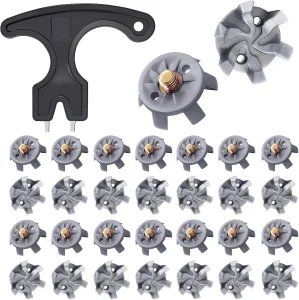
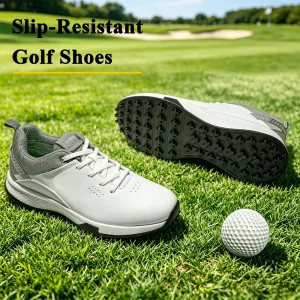
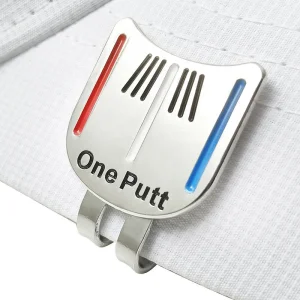
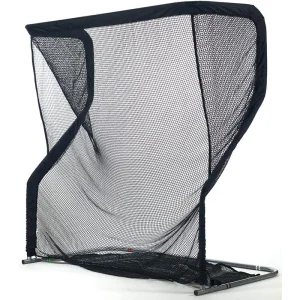
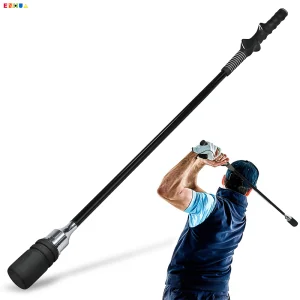
The global golf training equipment industry has undergone a monumental shift. Formerly considered luxury accessories or niche learning tools, specialized training gear is now a fundamental pillar of player development at all levels. Driving ranges, academies, commercial clubs, and individual enthusiasts are demanding higher precision, durable raw materials, and bio-mechanically validated training aids. As the sport embraces digitalization, simulators, precision alignment systems, and audible sensory feedback training sticks have captured significant market share.
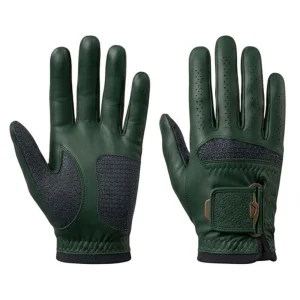
Key macroeconomic forces shaping the sector include the optimization of home-based simulation studios, strict environmental mandates targeting golf courses, and the adoption of cross-training athletic platforms. This shift is driving demand for advanced product groups like sound-feedback swing trainers, wear-resistant synthetic leather gloves with custom grips, and high-impact simulation screens that can withstand consistent ball strikes at high velocities.
Guangzhou Lulit Golf Co., Ltd. is a professional manufacturer specializing in golf accessories, training aids, alignment tools, and performance improvement equipment for golfers of all skill levels. The company focuses on developing practical and innovative solutions that help players improve swing consistency, accuracy, and overall game performance.
Since its establishment, Lulit Golf has evolved from a small workshop producing basic practice accessories into a full-scale golf training equipment manufacturer. In its early stage, the company mainly supplied essential practice tools for driving ranges and golf academies. With increasing global demand for structured golf training solutions, the company gradually expanded its product development system and invested in ergonomic design, material innovation, and user-centered performance testing.
During its growth phase, Guangzhou Lulit Golf strengthened its production capabilities with advanced molding, precision assembly, and quality inspection systems. The company expanded its product range to cover swing training aids, putting alignment systems, grip improvement tools, and full-course practice solutions. It also began collaborating with golf instructors and training institutions to better understand player behavior and optimize training effectiveness.
Today, Lulit Golf serves customers across international markets, including golf clubs, sports retailers, training centers, and online distributors. The company is committed to improving golf performance through accessible and scientifically designed training accessories. With continuous innovation in biomechanics-based training tools and smart practice systems, Guangzhou Lulit Golf Co., Ltd. aims to become a leading global supplier in the golf accessories and performance training industry, helping golfers achieve more consistent, efficient, and enjoyable gameplay.
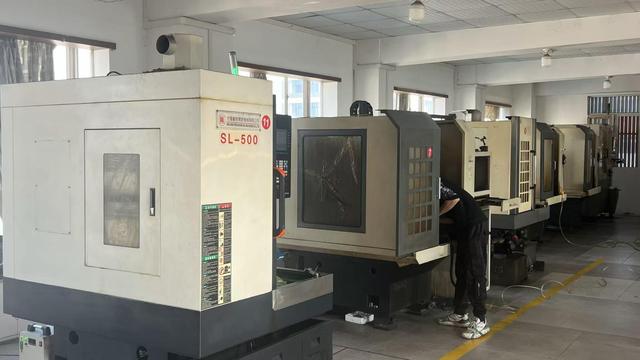
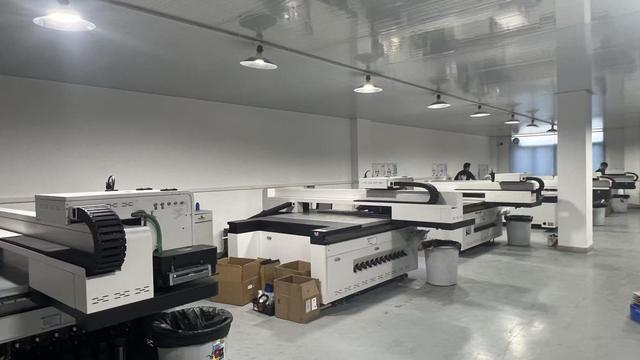
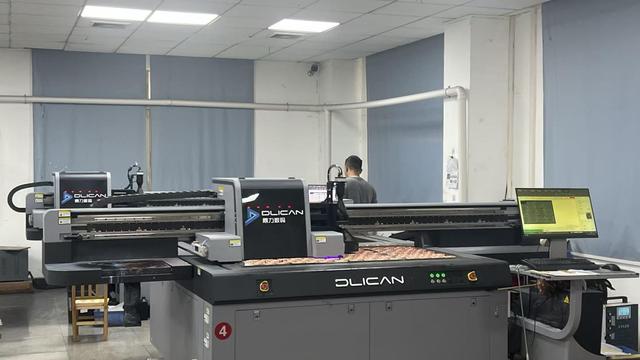
Visualizing our advanced production capabilities, modern testing units, and high-capacity assembly systems built to execute strict global OEM orders.
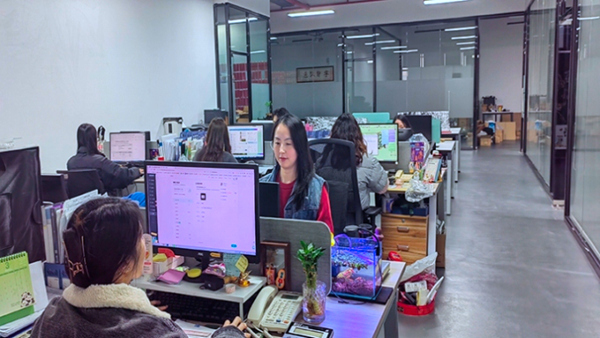
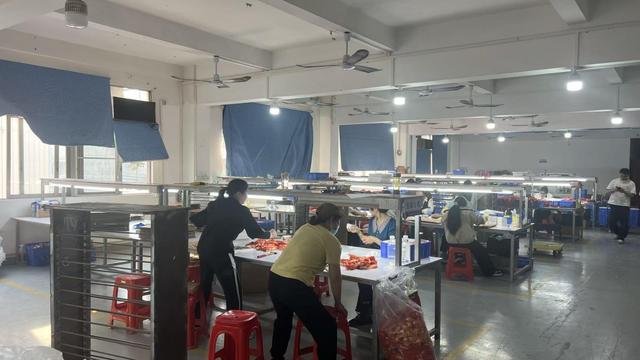
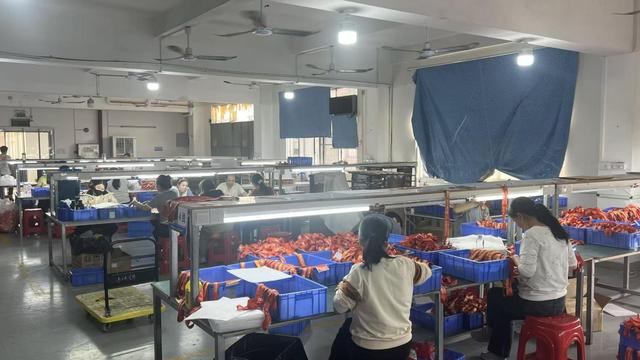
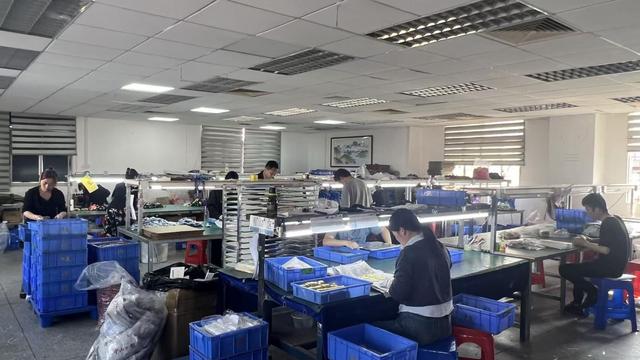
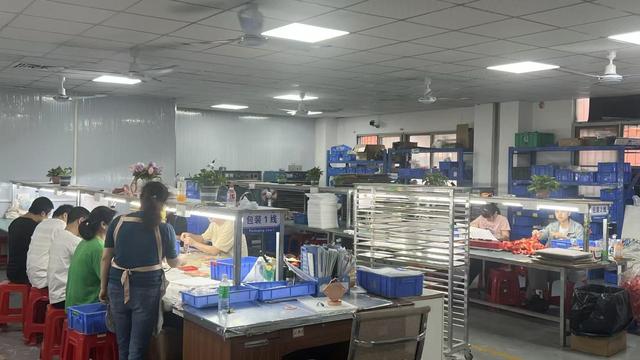
B2B golf equipment sourcing requires strict technical due diligence. Global distributors, large-scale sporting goods retail conglomerates, and professional academies evaluate manufacturers using specific key performance indicators (KPIs) to ensure long-term product viability and brand reputation.
Exporters must utilize engineering-grade plastics, custom-formulated synthetic rubber, premium cabretta leather, and high-tensile carbon fibers. For example, simulator screens require double-layered high-density polyester yarn structures that absorb impacts exceeding 150 mph while maintaining low acoustic profile characteristics.
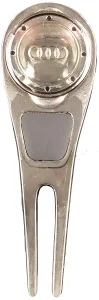
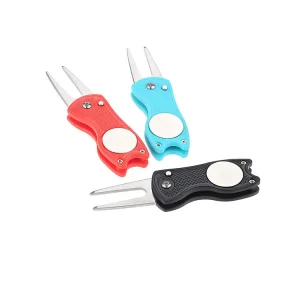
A reliable supplier must provide precise CNC milling, laser engraving, and dynamic silk-screen printing services for custom branding. For accessories like divot tools, markers, and tees, corporate buyers expect fast tooling design cycles and exact Pantone matching.
Top-tier manufacturers maintain ISO 9001 certifications. Materials must meet RoHS, REACH, and California Proposition 65 standards. This guarantees that goods pass international custom checks and reach the retail market without regulatory delays.
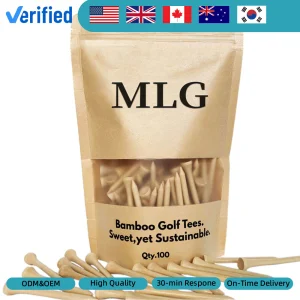
Additionally, the shift toward carbon neutrality has increased the demand for eco-friendly product lines. Wooden and bamboo golf tees have replaced non-biodegradable plastics on modern courses. Sustainable packaging design, minimized shipping volumes, and low-waste production loops have transitioned from optional features to critical competitive advantages in the global supply landscape.
Developing a consistent golf swing requires repetitive physical practice and muscle memory development. Biomechanically designed training aids address this challenge:
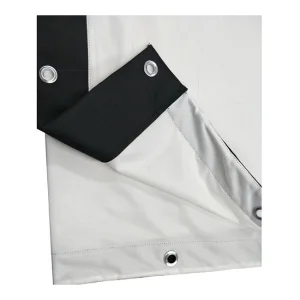
The growing market for indoor residential and commercial golf simulators has driven demand for specialized textile screens. High-quality simulator fabrics feature high-impact multi-layer weaving structures. The outer layer provides crisp, high-resolution 3D projections, while the internal layers dampen noise and absorb kinetic energy, allowing the screen to withstand high-velocity impact with minimal deformation over time.
Proper traction is critical for maintaining stability during the swing. Footwear technology focuses on:
Exporting to North American, European, and Asia-Pacific markets requires strict adherence to trade regulations. For example, shipping lithium-battery-operated training equipment or specialized electronic parts requires UN38.3 battery certification. Even non-electronic accessories must comply with local consumer goods safety standards.
To support global distribution, established exporters like Guangzhou Lulit Golf Co., Ltd. offer:
Detailed technical answers for global procurement officers, distributors, and sourcing managers.
Explore additional high-demand products designed to expand your inventory with durable, player-tested equipment.
 Lulit Golf