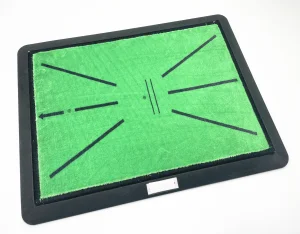
Explore our highly-regarded selection of golf training aids, alignment mechanisms, and specialized athletic gear designed for maximum precision and durability.
Golf ball compression is a crucial metric that defines how a ball deforms under impact. Expressed on a scale ranging typically from 30 to 120, compression determines the transfer of kinetic energy from the clubface to the ball. A low-compression ball (rating of 70 or below) deforms easily under moderate force, making it highly suitable for players with slower swing speeds (under 90 mph), as it helps maximize distance through optimized energy transfer. Conversely, a high-compression ball (rating of 90 to 100+) requires a much faster swing speed (over 105 mph) to compress fully, allowing high-velocity players to optimize control, stability, and spin dynamics without losing energy through excessive core distortion.
Understanding and measuring compression has shifted from a niche workshop process to a cornerstone of modern golf ball development and player fitting. As golf balls feature increasingly sophisticated multi-layered structures, identifying how outer covers interact with progressive core designs has become essential. The demand for precise golf ball compression testing equipment continues to grow, serving golf clubs, training institutions, custom fitters, and manufacturing facilities worldwide.
Traditional Atti testing and modern electronic pneumatic devices measure the amount of force (typically in thousandths of an inch under a standard 200 lb spring load) required to flatten the core. Modern digital equipment translates this compression load index into real-time metrics, enabling accurate product classification and fitments.
Evaluating the international shifts toward custom fitting, quality validation, and performance-based procurement models.
The rise of indoor golf simulators, custom club-fitting franchises, and high-performance academy training has driven global demand for precise validation tools. North American and European markets lead in custom-fitting adoption, while Asia-Pacific is experiencing rapid growth in dedicated training facilities and private golf club setups.
Premium ball manufacturers require tight quality assurance standards. A variance of even 5 compression points can impact launch angles, spin rate, and speed. Accurate onsite testing helps maintain consistency across manufacturing runs, supporting regulatory compliance and brand trust.
Modern golf balls feature 3 to 5 layer urethane designs. Compression testing helps identify anomalies in inner mantle layers prior to cover molding, reducing scrap rates and optimizing raw material usage in manufacturing operations.
How golf clubs, fitting studios, and training academies implement compression metrics within day-to-day operations.
For custom club fitters, recommending the correct ball structure is just as important as shaft stiffness. Fitting labs use launch monitors alongside compression validation tools to match a player's swing profile with a ball that deforms predictably at impact. This ensures that swing speeds of 85 mph are paired with lower-compression models for optimal distance, while high-velocity swings are paired with firmer cores to manage spin rates.
At professional training facilities, coaches utilize compression testing to teach players how temperature, wear, and water absorption affect ball performance. Under cooler ambient temperatures, a golf ball's core hardens, increasing its effective compression rating. Providing training academies with onsite testing solutions helps coaches teach junior and amateur players how external conditions alter club selection and compression behavior.
Large-scale driving ranges and private clubs must maintain consistent distance control across their rental and range fleets. By running periodic compression tests on a randomized sample of balls, range managers can monitor degradation caused by UV exposure, water submersion, and repeated club impacts, allowing them to cycle out worn range balls systematically.
Over a decade of dedication to golf accessories, training aids, and high-performance equipment manufacturing.
Guangzhou Lulit Golf Co., Ltd. is a professional manufacturer specializing in golf accessories, training aids, alignment tools, and performance improvement equipment for golfers of all skill levels. The company focuses on developing practical and innovative solutions that help players improve swing consistency, accuracy, and overall game performance.
Since its establishment, Lulit Golf has evolved from a small workshop producing basic practice accessories into a full-scale golf training equipment manufacturer. In its early stage, the company mainly supplied essential practice tools for driving ranges and golf academies. With increasing global demand for structured golf training solutions, the company gradually expanded its product development system and invested in ergonomic design, material innovation, and user-centered performance testing.
During its growth phase, Guangzhou Lulit Golf strengthened its production capabilities with advanced molding, precision assembly, and quality inspection systems. The company expanded its product range to cover swing training aids, putting alignment systems, grip improvement tools, and full-course practice solutions. It also began collaborating with golf instructors and training institutions to better understand player behavior and optimize training effectiveness.
Today, Lulit Golf serves customers across international markets, including golf clubs, sports retailers, training centers, and online distributors. The company is committed to improving golf performance through accessible and scientifically designed training accessories. With continuous innovation in biomechanics-based training tools and smart practice systems, Guangzhou Lulit Golf Co., Ltd. aims to become a leading global supplier in the golf accessories and performance training industry, helping golfers achieve more consistent, efficient, and enjoyable gameplay.

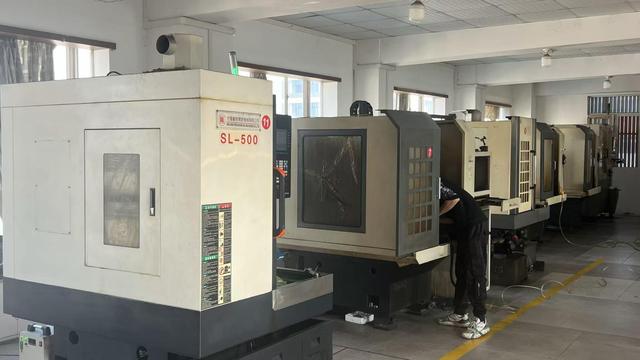
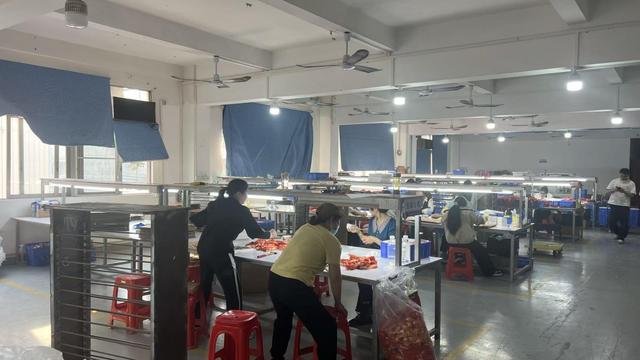

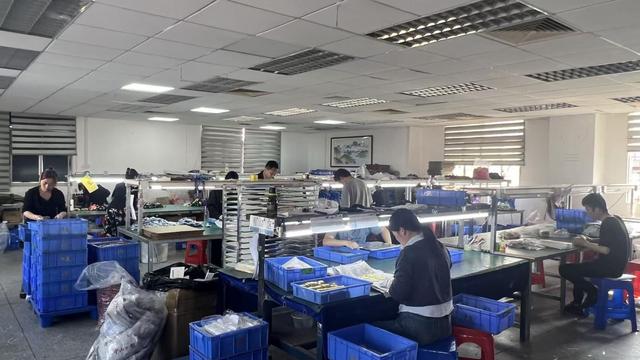

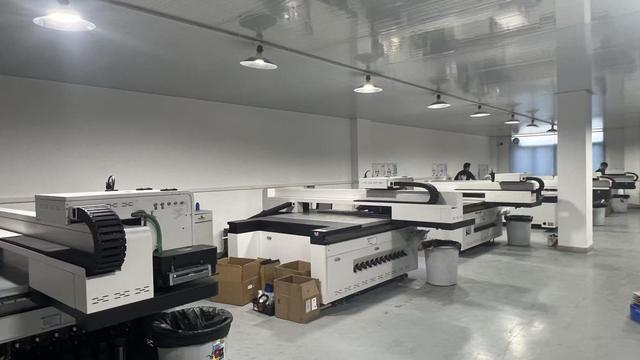
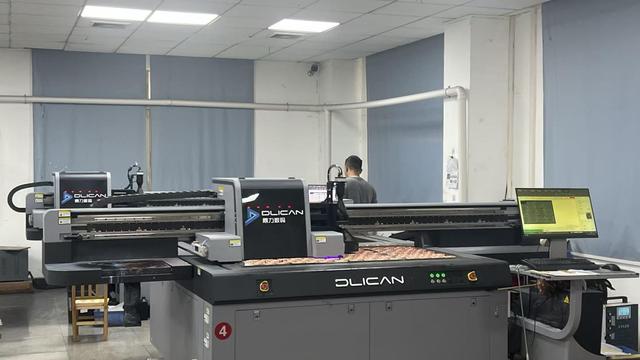
Operating out of Guangzhou, Lulit Golf leverages one of the world's most advanced manufacturing ecosystems. The concentration of upstream chemical suppliers, precision tooling manufacturers, and advanced logistics hubs provides significant structural advantages for production efficiency and raw material sourcing.
Guangzhou’s location adjacent to international container ports and major air freight cargo centers ensures efficient logistics, streamlined customs clearance, and predictable delivery timelines for global business partners.
Adapting to digital integration, automation, and smart diagnostic ecosystems in athletic performance.
Next-generation measurement systems are moving toward Bluetooth and Wi-Fi-enabled sensors that upload batch testing data directly to cloud-based fitting software, eliminating manual logging and tracking performance drift over time.
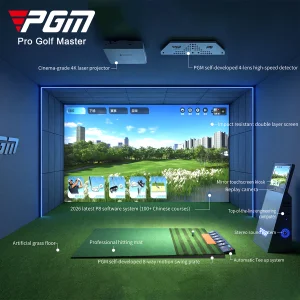
As golf simulator engines transition to advanced platforms like Unreal Engine 5, software integrations will allow players to input the specific compression rating of their physical golf ball to improve the accuracy of virtual spin and bounce calculations.
Future R&D is focused on testing biodegradable materials. Standardizing compression testing procedures is essential to ensure these eco-friendly alternatives match the performance and velocity standards of traditional rubber-core balls.
How we protect international buyers, guarantee calibration compliance, and support distribution networks.
Our manufacturing and testing protocols align with international equipment rules (USGA and R&A guidelines), ensuring that all tested parameters and calibration readings conform to official specifications.
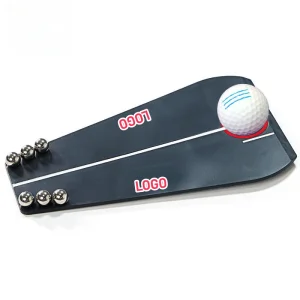
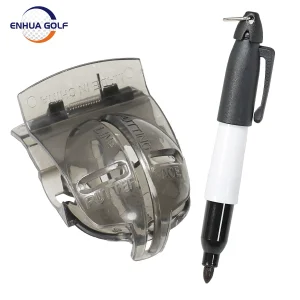
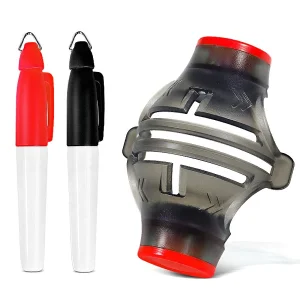
We provide full OEM support, from custom logo placement on markers and alignment aids to custom configuration options for packaging and training tool accessories, enabling brands to scale their product offerings.
Every industrial accessory and simulator system is backed by clear warranty terms. Dedicated support teams are available to assist with component replacements, troubleshooting, and custom ordering logistics.
Answers to common technical, design, and purchasing questions from clubs and distribution partners.
Cold weather causes the core compounds in a golf ball to become firmer, raising its effective compression rating. For example, a ball rated at 80 compression may play like a 90-95 compression ball in sub-50°F (10°C) temperatures. Players with moderate swing speeds may experience a loss of distance in cold conditions if they do not switch to a lower-compression ball to offset this temperature effect.
The Atti scale is specifically calibrated for golf ball deformation, measuring the force required to compress the ball by 0.1 inches under a spring-loaded system. Hardness (often measured using a Shore D durometer) evaluates only the outer cover material's resistance to indentation, rather than the core's structural flexibility under impact.
Yes. If a golf ball has suffered structural fatigue or micro-fractures inside the core after repeated impacts, its compression rating will drop significantly compared to control samples. This makes periodic testing valuable for high-performance training centers and quality control checks on range balls.
Modern simulators calculate distance and trajectory based on launch monitor data. If a simulator player uses balls with varying compression ratings, the simulator’s physics engine may produce inconsistent results, leading to unexpected distance variations and an inaccurate training or playing experience.
Yes, we provide comprehensive OEM and ODM services. We can customize logos, alignment guides, and colors on golf training tools, packaging, and accessories, allowing international distributors to scale their product offerings under their own brand name.
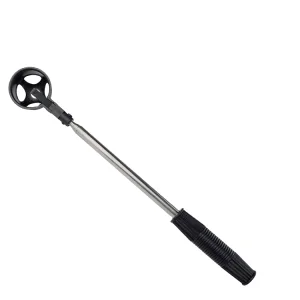
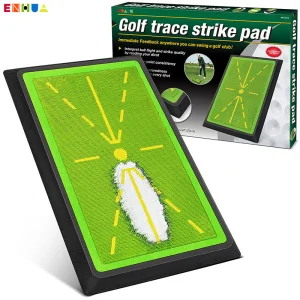
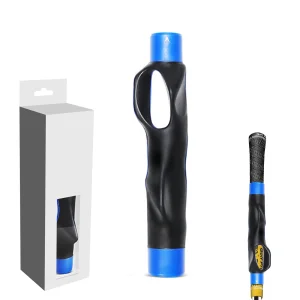
Maximize training efficiency with our range of high-strength netting systems, retriever kits, and premium alignment markers.
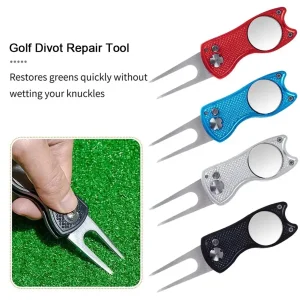
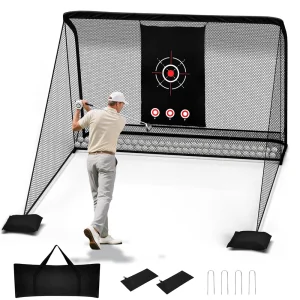
 Lulit Golf