Top Trusted Golf Fairway Mats Factories & Suppliers

Providing next-generation impact mitigation, extreme wear tolerance, and structural resilience for professional driving ranges, residential simulators, and global golf brands.

The Engineering Frontier of Modern Golf Fairway Turf

Within the professional golf practice sector, the quality and structural engineering of Golf Fairway Mats represent a major factor in golfer comfort, joint safety, and shot realism. As commercial driving ranges transition into high-tech, multi-tiered entertainment venues (such as modernized tracking centers and premium launch monitor environments) and residential simulator systems grow globally, the demand for durable and realistic artificial turf has skyrocketed. A high-quality golf fairway mat must faithfully replicate the physical feedback of natural grass while enduring hundreds of thousands of high-velocity iron and wedge impacts.

Traditional practice mats often suffered from two primary issues: hard, concrete-like backings that transmit excessive shock to the golfer's joints (causing repetitive strain injuries like golfer’s elbow), and unrealistic club-head friction that disguises "fat" shots. Today, the leading Golf Fairway Mats Factories rely on advanced multi-layer systems. These include nylon 3D spring crimped turf layers, heat-bonded polyurethane interfaces, and heavy-duty closed-cell EVA or NBR bases that absorb energy and allow the club head to descend naturally "through the ball."
15mm+
Nylon Pile Height
Optimized density to simulate deep fairway turf root structure.
98%
Impact Absorption
Advanced elastomer base reduces joint fatigue during extended practice.
100k+
Swing Durability
Tested under high-force automated swing stress tests.
0%
Delamination Rate
Polyurethane thermal welding completely prevents layer peeling.

Technical Roadmap: Material Science Behind Fairway Simulators

Designing a golf mat that appeals to elite golf academies requires deep biomechanical insight. The modern technical roadmap for fairway turf concentrates on reproducing turf deflection rates. During a proper golf strike, the club face pinches the ball against the turf, followed by a slight downward penetration (creating a divot). If the artificial surface is too hard, the club face bounces, leading to inaccurate ball speed, launch angle, and spin rate data on launch monitors like TrackMan, Foresight, or FlightScope.

Engineering Layer Material Structure Technical Specifications Performance Functionality
Primary Turf Layer Nylon 66 (Polyamide) 3D Crimped Fiber 15mm - 20mm Pile Height; 4400 - 5500 Denier Resists high heat from club-head friction; retains original pile alignment over time.
Bonding Intersect Polyurethane Thermosetting Adhesive 1.2mm High-Density Fluid Coat Forms a moisture-proof seal preventing layer separation during freezing/thawing cycles.
Shock Buffer Base Cross-Linked EVA / Closed-cell NBR Foam 10mm - 15mm Base Thickness Absorbs downward compression force; mimics the compression of natural damp fairway dirt.
Anti-Skid Underlay Textured Natural Rubber or PU Pattern 2mm - 3mm Heavy Traction Tread Ensures stable placement on concrete, wooden decks, or indoor flooring during fast swings.

Thermal Fusion vs. Glue-Based Lamination

Historically, golf mat manufacturing relied on cheap water-soluble liquid adhesives to connect the turf and the foam pad. Over exposure to morning dew, cleaning water, and intense sun, these adhesives degrade, causing bubbling and delamination. High-end Golf Fairway Mats Suppliers now utilize advanced thermal fusion processes. By melting a layer of high-density PU film between the turf and the rubber backing under intense pressure, a molecular bond is created that remains structurally sound across extreme temperature fluctuations (-30°C to 60°C).

China Factory Resilience & Supply Chain Advantages

For global sports equipment distributors, golf club brands, and driving range construction firms, sourcing directly from specialized manufacturers in China offers distinct advantages in cost efficiency, engineering flexibility, and volume reliability. As a global hub for synthetic fibers and plastic processing, China’s industrial ecosystem provides direct access to high-grade raw polymers, stabilizing manufacturing costs and ensuring consistent product quality.

Leading factories feature vertically integrated setups, housing custom tufting, extrusion, backing application, and die-cutting lines under a single roof. This limits intermediate logistical overhead and ensures that quality control standards remain consistent throughout production. Custom molds, custom branding (logo embroidery/printing), and customized dimension requests (such as specialty cut-outs for tracking sensors or ball tray fittings) can be quickly engineered to support OEM/ODM designs.

Global Commercial & Industrial Deployments

Golf training systems operate under very different conditions depending on regional climates and target applications. Sourcing from a versatile manufacturer ensures that products are engineered to withstand these diverse environments.

Commercial Driving Ranges
Requires ultra-durable backings to survive high-volume daily hits and constant UV exposure.
Indoor Simulator Centers
Requires non-reflective fibers and custom sensor-cutouts to work seamlessly with modern launch monitors.
Residential Home Setups
Prioritizes lightweight, modular designs that are easy to store and do not damage home flooring.
Resort & Academy Fitting Bays
Demands premium pile density to provide highly accurate club path feedback for coaches.

Guangzhou Lulit Golf Co., Ltd.: Professional Manufacturing

Guangzhou Lulit Golf Co., Ltd. is a professional manufacturer specializing in golf accessories, training aids, alignment tools, and performance improvement equipment for golfers of all skill levels. The company focuses on developing practical and innovative solutions that help players improve swing consistency, accuracy, and overall game performance.

Since its establishment, Lulit Golf has evolved from a small workshop producing basic practice accessories into a full-scale golf training equipment manufacturer. In its early stage, the company mainly supplied essential practice tools for driving ranges and golf academies. With increasing global demand for structured golf training solutions, the company gradually expanded its product development system and invested in ergonomic design, material innovation, and user-centered performance testing.

During its growth phase, Guangzhou Lulit Golf strengthened its production capabilities with advanced molding, precision assembly, and quality inspection systems. The company expanded its product range to cover swing training aids, putting alignment systems, grip improvement tools, and full-course practice solutions. It also began collaborating with golf instructors and training institutions to better understand player behavior and optimize training effectiveness.

Today, Lulit Golf serves customers across international markets, including golf clubs, sports retailers, training centers, and online distributors. The company is committed to improving golf performance through accessible and scientifically designed training accessories. With continuous innovation in biomechanics-based training tools and smart practice systems, Guangzhou Lulit Golf Co., Ltd. aims to become a leading global supplier in the golf accessories and performance training industry, helping golfers achieve more consistent, efficient, and enjoyable gameplay.

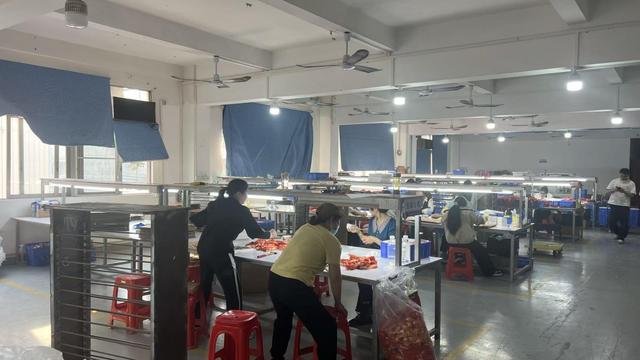
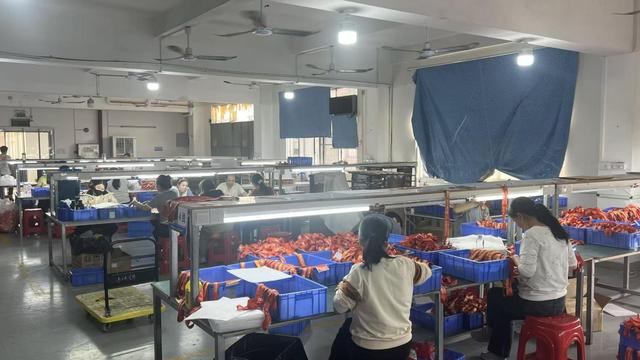
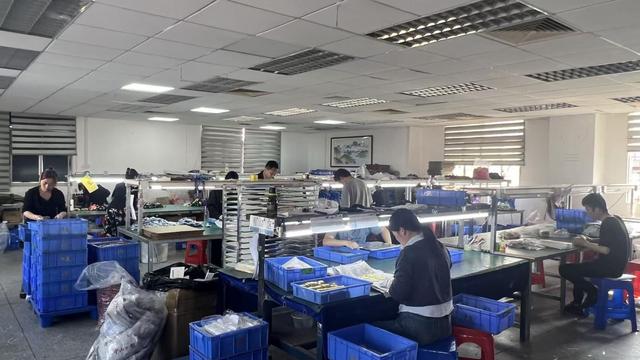
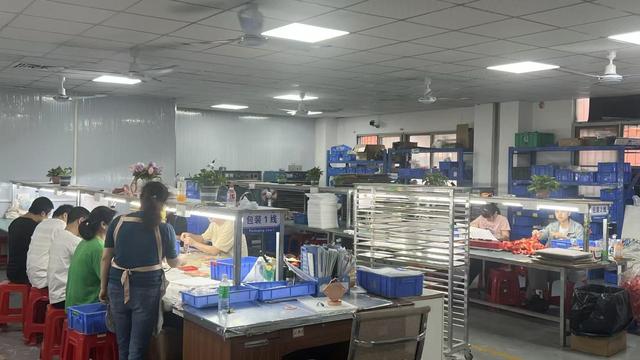
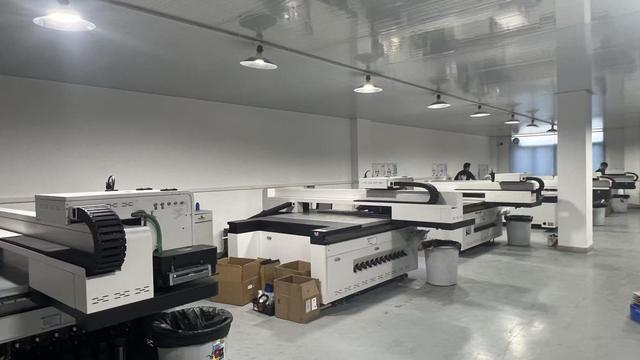
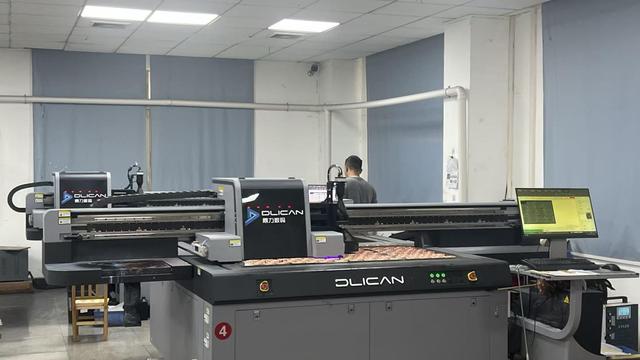
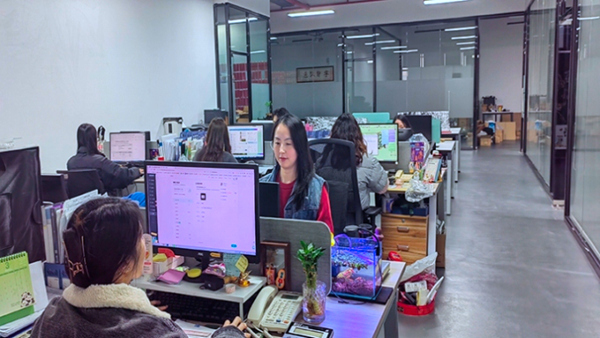
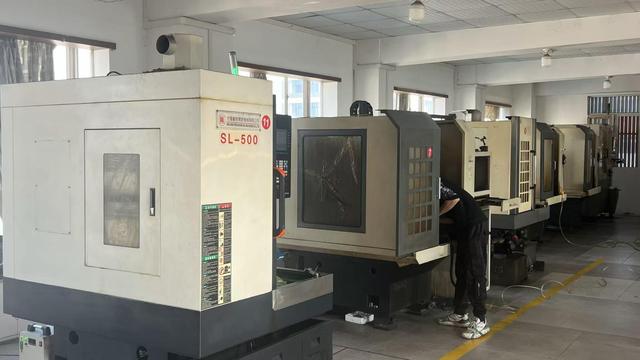
Lulit Golf Factory Production Lulit Golf Equipment Testing Lulit Golf Precision Assembly Lulit Golf Materials Lab Lulit Golf Warehousing Lulit Golf Training Aids Display Lulit Golf Quality Inspection Lulit Golf Distribution Center

Manufacturing Journey

Foundation & Setup

Began as a precision workshop focusing on basic training accessories for regional driving ranges and academies, establishing strong manufacturing baselines.

Production Expansion

Upgraded assembly systems, expanded the molding lines, and integrated professional feedback from PGA instructors to develop advanced practice equipment.

Global Logistics Operations

Established a dedicated export framework, servicing clients across North America, Europe, and Asia-Pacific with high-durability training materials.

Localization, Global Standards & Environmental Compliance

Commercial golf mats must adhere to strict environmental and safety regulations when distributed globally. High-quality manufacturers ensure their synthetic turf and rubber backing materials pass certifications like REACH and RoHS, verifying that no heavy metals, toxic plasticizers, or hazardous chemicals are used in production.

For indoor installations in municipal areas, fire retardancy is a critical factor. Materials must meet fire safety standards such as BS 4790 or ASTM D2859. Additionally, outdoor applications require excellent UV stability to prevent fading and fiber breakdown under continuous sun exposure. Modern manufacturing addresses this by adding specialized UV stabilizers to the masterbatch prior to extrusion.

Technical FAQs for Golf Turf & Accessories Buyers

What type of fiber material is best for high-use commercial golf mats?
Nylon 66 (Polyamide) is the industry standard for high-volume commercial venues. Unlike cheaper polypropylene (PP) or polyethylene (PE), nylon possesses a high melting point, preventing the fibers from melting or matting down under the friction generated by fast iron swings. It also features superior elastic recovery, ensuring the turf blades bounce back to their vertical alignment after impact.
How do you prevent the turf layer from separating from the foam backing?
Leading factories utilize a high-temperature Polyurethane (PU) thermal fusion process instead of simple water-soluble glue. The backing and the turf fibers are bonded together under high heat and pressure, making the layers virtually inseparable even when exposed to water, ice, or extreme summer heat.
What thickness of foam backing is needed for joint protection?
For commercial use, we recommend a foam backing thickness of 10mm to 15mm, using high-density, closed-cell NBR or EVA foam. This provides sufficient compression to absorb shock and reduce fatigue on the golfer's wrists and elbows, while maintaining stability underfoot.
Are these fairway mats compatible with indoor launch monitors?
Yes. High-quality mats are designed with matte, non-reflective nylon fibers to prevent glare that can disrupt infrared and camera-based tracking systems (such as TrackMan or Foresight). Custom sensor cutouts can also be integrated during manufacturing to accommodate specific launch monitor layouts.
What is the standard lead time for wholesale or custom OEM orders?
Standard production runs typically take 15 to 25 days depending on order volume. Custom OEM requests requiring specialty branding or specific dimensions may add 7 to 10 days for tooling and prototype validation.

Source Directly From a Specialized Supplier

Optimize your inventory with durable, high-performance training aids and accessories. Connect with our engineering and logistics teams to request material specifications, custom dimensions, or a factory quote.

Submit Wholesale Inquiry