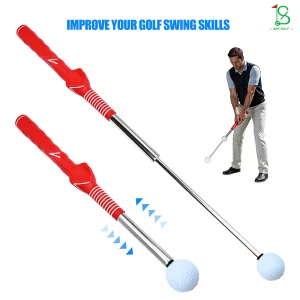
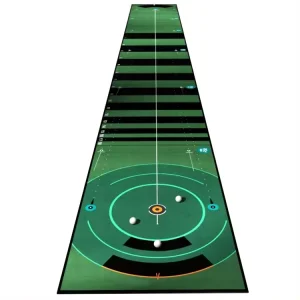
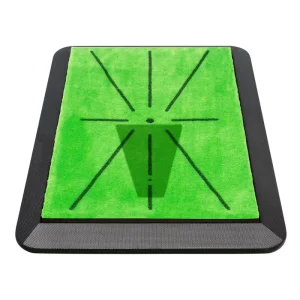
Direct from Factory: Advanced impact detectors and kinetic alignment trainers designed for commercial academies and retail brands in North America.
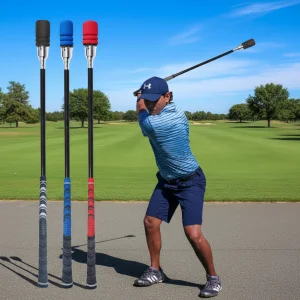
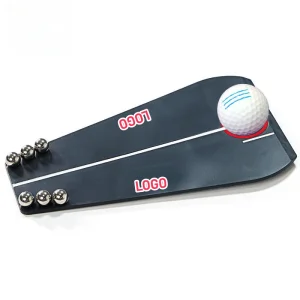
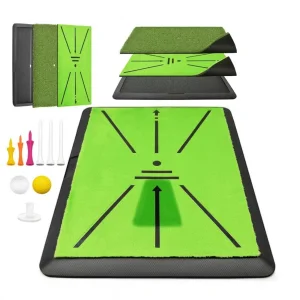
The landscape of golf training and biomechanical feedback equipment in the United States has undergone a massive paradigm shift. Powered by data from the National Golf Foundation (NGF) and the surging popularity of off-course golf centers (commercial simulators, golf bars, and virtual hitting bays), the domestic golf industry is seeing unprecedented rates of user acquisition. Modern American golfers—from high-handicap enthusiasts to collegiate competitors—demand instantaneous, scientifically objective feedback.
For golf equipment distributors, simulator builders, and academy procurement directors, this creates a major commercial challenge. Traditional, static practice turf and visual aid devices no longer satisfy consumer profiles that are accustomed to instant telemetry. There is a high-volume demand for heavy-duty, tactile feedback training aids that can withstand thousands of high-velocity iron strikes while clearly mapping out the clubhead path and face angle.
The current distribution network in North America requires robust, high-volume manufacturing partners that can provide reliable private-label capabilities, rapid OEM custom tooling, and deep supply chain compliance.
Technical evaluation standards applied by bulk importers when choosing manufacturing partners for professional golf training aids.
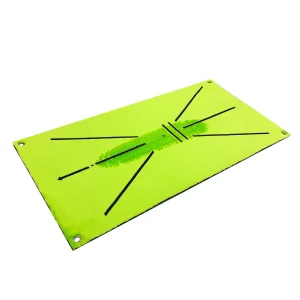
Importers prioritize impact mats with low-rebound, heavy-duty SBR rubber backing (5mm-10mm) and high-density velvet fiber. Traditional mats degrade under heavy usage, losing alignment markers and fiber integrity. Our materials undergo shear-fatigue testing.
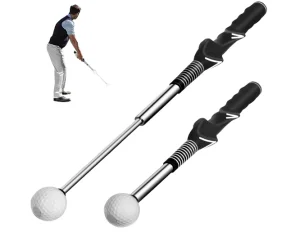
Audible feedback devices must feature robust telescopic mechanisms with internal calibrated magnets. The release sound must trigger precisely at the bottom of the swing arc, helping golfers fine-tune their release point without complex electronics.
Virtual projection fabrics require double-layer warp-knitted polyester mesh. This material provides clear HD projection while absorbing impact energy, reducing noise, and showing excellent resistance to bounce-back damage.
| Material Class | Primary Industrial Use Case | Structural Benefits for US Market | Durability Cycles (Tested) |
|---|---|---|---|
| Warp-Knitted Polyester Mesh | Simulator Impact Screens | High-impact force dispersion, low rebound, low decibel noise generation. Perfect for residential complexes and commercial bays. | >50,000 impacts (150 MPH ball velocity) |
| Velvet Directional Pile | Path Tracing Hitting Mats | Provides immediate visual path tracing without sensor systems, offering clear feedback on swing path, face angle, and contact point. | >15,000 full swings |
| SBR (Styrene-Butadiene Rubber) | Heavy Non-Slip Backings | High density, non-skid structure. Eliminates sliding on concrete or wood garage floors. Shock-absorbing layers prevent joint strain. | >100,000 compressions |
| Calibrated Internal Magnetics | Telescopic Rhythm Bars | Delivers clear auditory feedback at release peak. Wear-resistant mechanisms ensure repeatable release points. | >80,000 extensions |
How Guangzhou Lulit Golf Co., Ltd. combines advanced manufacturing technology, rigorous quality control, and direct-to-port logistics for international buyers.
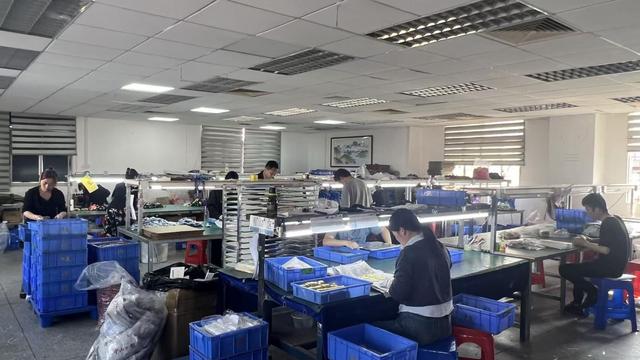
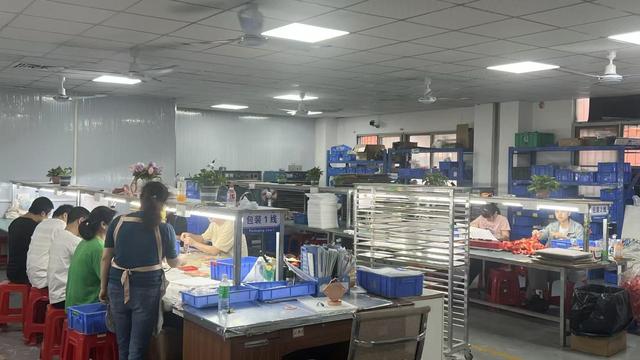
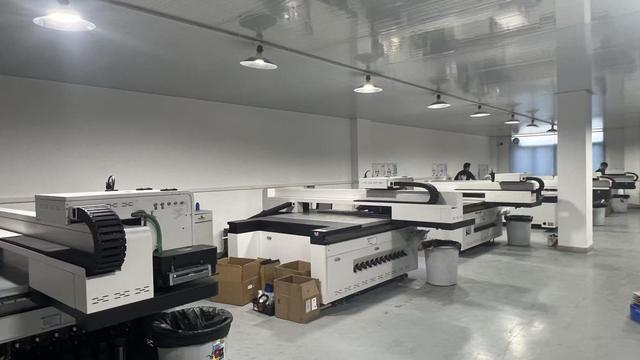
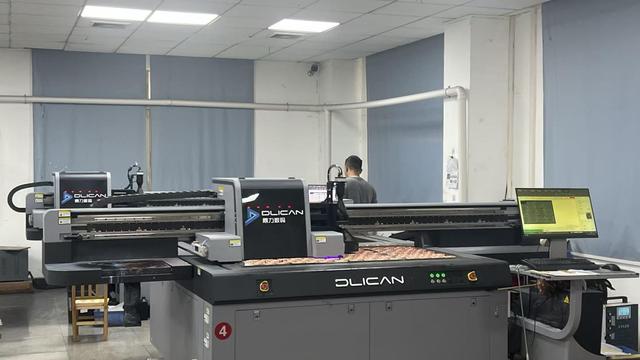
In the global golf equipment supply chain, Guangzhou Lulit Golf Co., Ltd. stands out through modern production planning, automated precision assembly, and rigorous quality inspection. By optimizing raw material sourcing and utilizing automated machinery, we resolve major procurement concerns for US and European B2B customers, including consistent batch quality, fluctuating production times, and rising shipping costs.
Guangzhou Lulit Golf Co., Ltd. has evolved from a specialized workshop into a high-capacity manufacturing facility. Our production lines feature advanced molding equipment, automated cutting tables, and rigorous mechanical fatigue testers, enabling us to consistently meet and exceed international sporting goods standards.

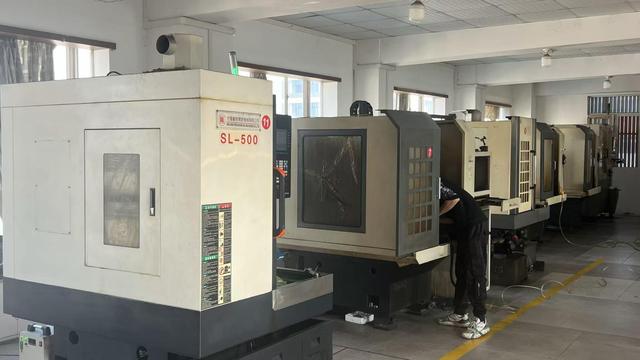
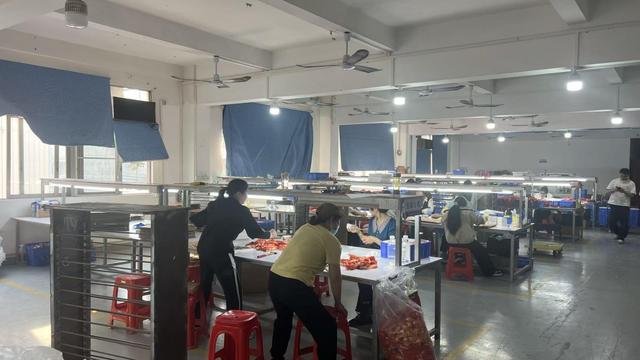

How and where our feedback training aids are integrated across typical US business sectors.
Our product lines are designed to perform reliably in a variety of key commercial and residential settings:
Our high-impact virtual screens and path feedback mats are built to handle the constant, daily hitting volume typical of premium indoor lounges in key metro areas like Dallas, Orlando, and Chicago.
Coaches rely on our physical indicators (such as instant-read velvet path traces and audio trainers) to help athletes visual swing path adjustments and build muscle memory during off-season indoor training.
We offer custom box packaging, custom logo printing, and tailored designs for top-selling Amazon and Shopify brands looking for reliable, high-margin products with low return rates.
A comprehensive selection of professional-grade swing trainers, high-durability impact screens, and advanced feedback mat configurations.
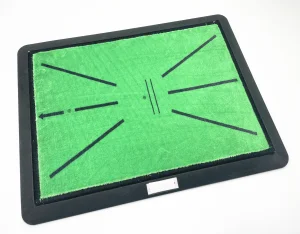
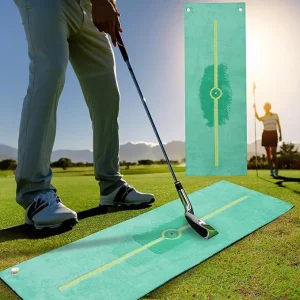
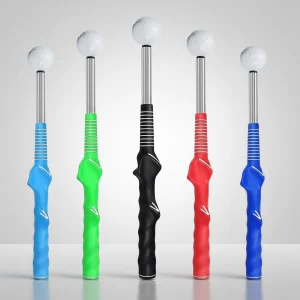
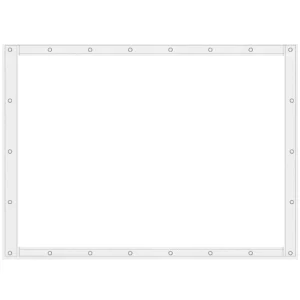
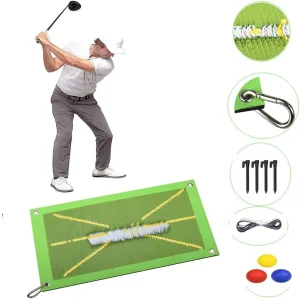
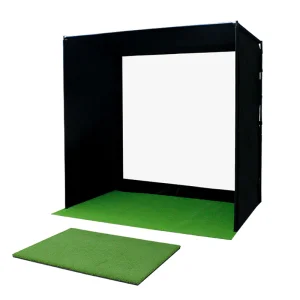
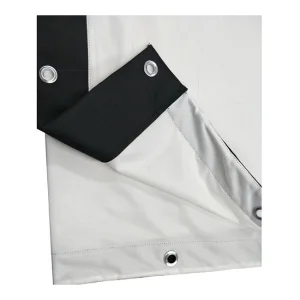
Specialized alignment aids, swing diagnostics mats, and compact training equipment.
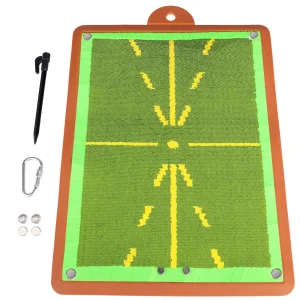
As a dedicated manufacturing partner, Guangzhou Lulit Golf Co., Ltd. is committed to engineering-focused product development. The transition from simple training aids to high-performance swing dynamics machinery requires precision biomechanics, rigorous material stress testing, and structured manufacturing control systems.
Standard projection materials deform quickly under impact from golf balls flying at 160+ MPH, creating pocket-like depressions that distort projections. Our simulator impact screens are made from high-density, double-layer warp-knitted polyester mesh. This material allows the screen fibers to stretch temporarily upon impact, safely absorbing kinetic energy without permanent sag.
Additionally, this fabric structure reduces impact noise. In suburban residential simulator bays and commercial retail parks, controlling decibel levels is a key requirement. Our double-layer screens average an impact sound rating below 68dB, providing a quieter user experience.
Our telescopic vocal impact bars utilize a calibrated internal magnet system rather than simple compression springs. This design ensures the indicator sound releases consistently at target swing speeds.
By calculating the kinetic energy required to overcome the magnetic attraction at the swing release point, we calibrate the click sound to trigger at the bottom of the swing arc. This mechanical design gives players immediate, audible feedback on their release timing without relying on electrical sensors.
Our materials undergo environmental testing to ensure long-term performance under hot, cold, or high-humidity conditions. Our SBR backings and velvet surfaces are tested to maintain flexibility and resist cracking from -10°C to 50°C, making them suitable for garage training set-ups, commercial facilities, and outdoor hitting bays.
Technical answers to common procurement, material science, and custom OEM design questions.
Get in touch with our team for detailed material specifications, bulk wholesale pricing, and custom branding options.
Send Inquiry Now Lulit Golf